
✉ sales@planetnonwovens.com | ☎ 952026549 | Whatsapp: +34645254337
At Planet Nonwovens, we are dedicated to providing innovative solutions in the world of non-wovens. Based in Málaga, we deliver high-quality products and exceptional service to our customers worldwide.
Non-wovens, or non-woven fabrics, are materials made by bonding fibers or filaments without weaving them. These materials offer a wide range of properties and applications, making them a versatile and effective option in many industries.
Unlike conventional fabrics, non-woven fabrics do not require interlaced threads, which gives them a homogeneous structure and makes them suitable for disposable, single-use, or long-lasting products, depending on the treatment applied.
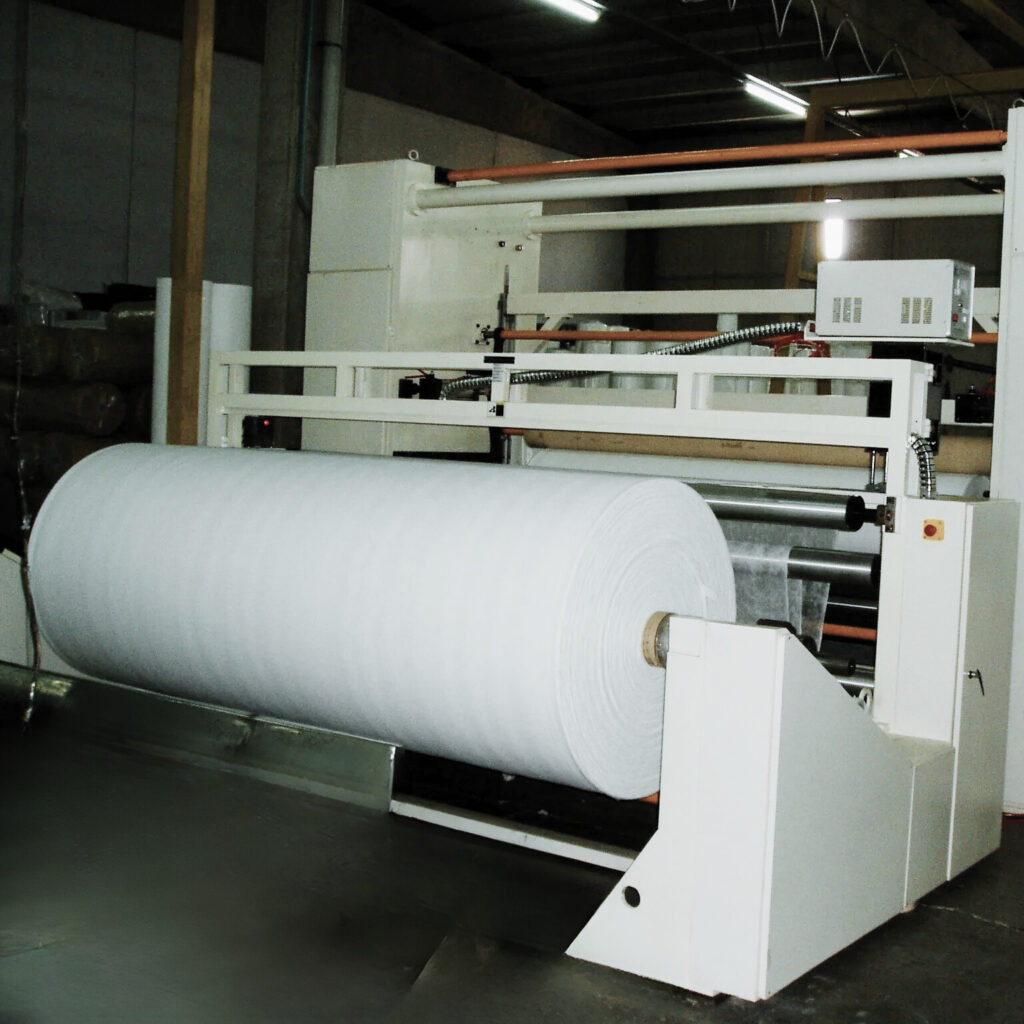
There is a wide variety of non-woven fabrics, such as:
Made through the spunbonding process, these non-wovens offer strength, durability, and air permeability. They are ideal for applications such as geotextiles, agriculture, and medical and hygiene products.
Produced through the meltblowing process, these non-wovens are known for their high filtration and barrier capacity. They are used in facial masks, air filters, and absorbent products.
Made through the spunlacing process, these non-wovens are soft to the touch and have excellent absorbency. They are ideal for applications in cleaning products, personal care, and home textiles.
Made through the needle-punching process, these non-wovens are robust and resistant to tension. They are used in applications such as felt reinforcements, acoustic insulation materials, and geotextiles.
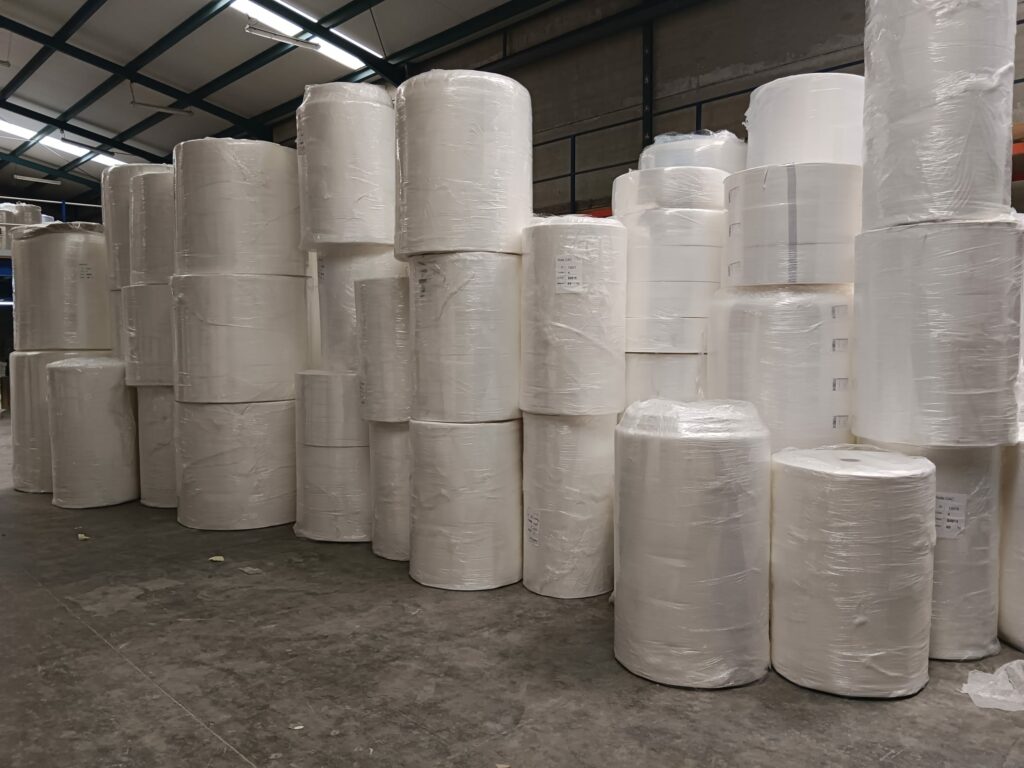
Non-woven fabric (TNT) has unique characteristics that differentiate it from other textile materials:
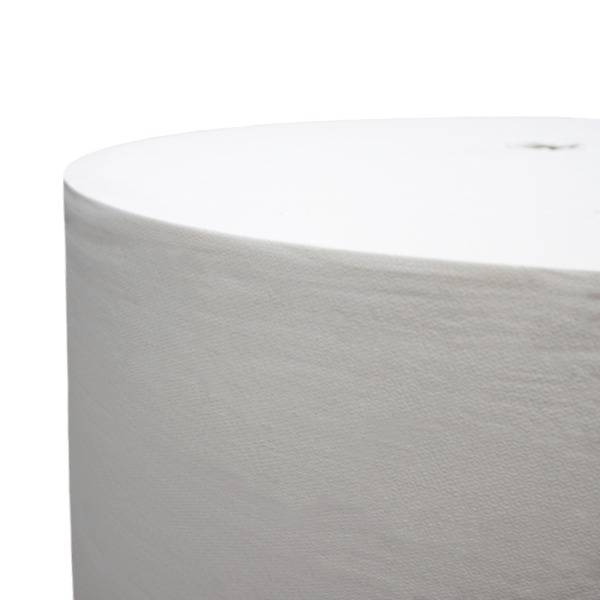
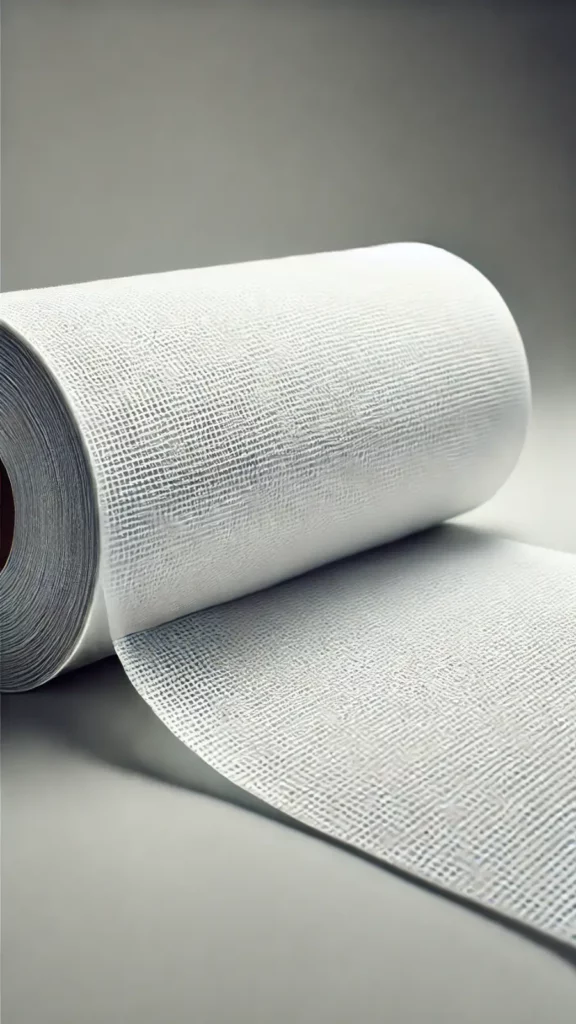
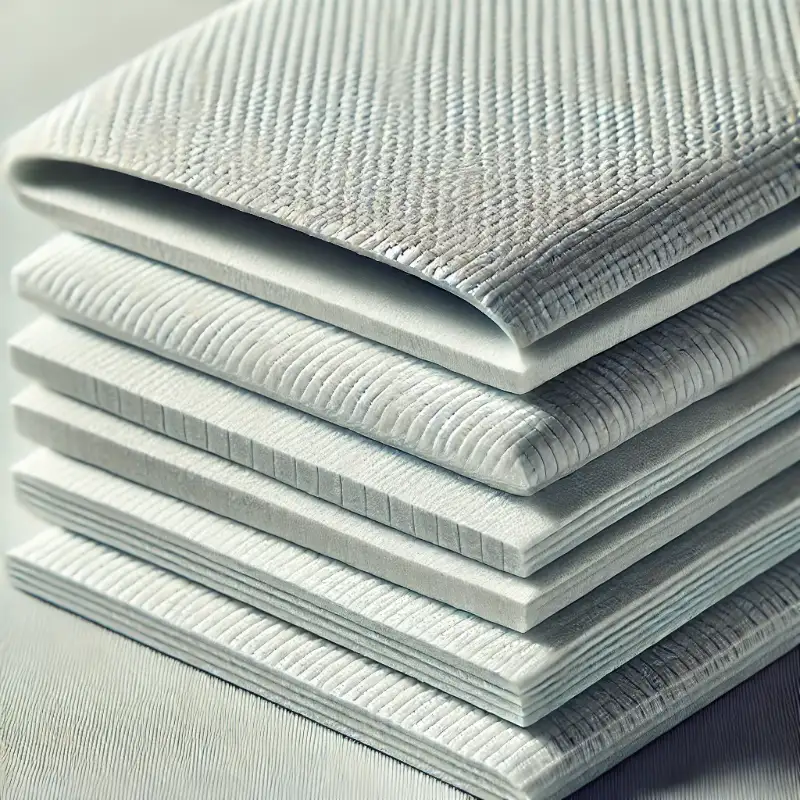
To detect TNT, observe its structure. You will notice that it does not have the typical interlaced threads, giving it a smoother and more uniform appearance.
We have classified the main characteristics of the primary materials in the industry to better understand their pros and cons.
| Characteristic | Non-Woven Fabric (TNT) | Cotton | Polyester | Nylon |
|---|---|---|---|---|
| Manufacturing Process | Non-woven (fibers bonded by heat, pressure, or chemicals) | Woven (natural fiber yarns) | Woven or non-woven (synthetic fibers) | Woven (synthetic fibers) |
| Production Cost | Low, fast, and economical | Medium-high | Low-medium | Medium |
| Strength | High, depending on the type of TNT | Moderate | High | Very high |
| Durability | Limited to disposable products; high in specialized versions | Very high | Very high | Very high |
| Weight | Very light | Light-medium | Light | Light |
| Waterproofing | Can be waterproof with treatments | Low | High | High |
| Breathability | High in certain types | High | Low-moderate | Low |
| Moisture Absorption | Low, but can be improved with treatments | High (very absorbent) | Low | Low |
| Softness | Soft in specialized versions | Very soft | Moderate | Moderate |
| Color Resistance | Sensitive to high temperatures | Resistant to high temperatures | Low | Moderate |
| Biodegradability | Available in some types (natural or recyclable fibers) | High (100% biodegradable) | Low (synthetic) | Low (synthetic) |
| Recyclability | High in recyclable versions | Medium | High | High |
| Main Applications | Hygiene, medical, automotive, agriculture, packaging | Clothing, home products, personal care | Sportswear, technical textiles, industrial products | High-performance products, industrial products |
| Environmental Impact | Varies (depends on fiber used) | Low, but requires a lot of water in production | Medium (synthetic, petroleum-derived) | Medium (synthetic, petroleum-derived) |
TNT is cheaper and faster to produce compared to cotton, which requires more intensive agricultural and textile processes.
Cotton is softer and highly absorbent, but TNT can be more durable and better suited for industrial or disposable products.
In terms of environmental impact, cotton is biodegradable, but its production requires a lot of water, which results in a significant ecological footprint.
Both materials are lightweight and versatile, but TNT has the advantage of being produced at a lower cost and in specialized versions that can be breathable or waterproof depending on the treatment.
Polyester is more durable in long-term applications, such as sportswear, but it is not biodegradable, which can be a key factor for more sustainable decisions.
TNT and nylon share applications in the industrial sector due to their strength.
However, TNT stands out for its lightness and flexibility in disposable or single-use products, while nylon is very durable and suitable for high-performance products.
Both are synthetic, although TNT has recyclable and biodegradable versions, which is an advantage over nylon in terms of sustainability.
Non-woven fabric has revolutionized multiple industries due to its versatility and adaptability. Some of its most common applications include:
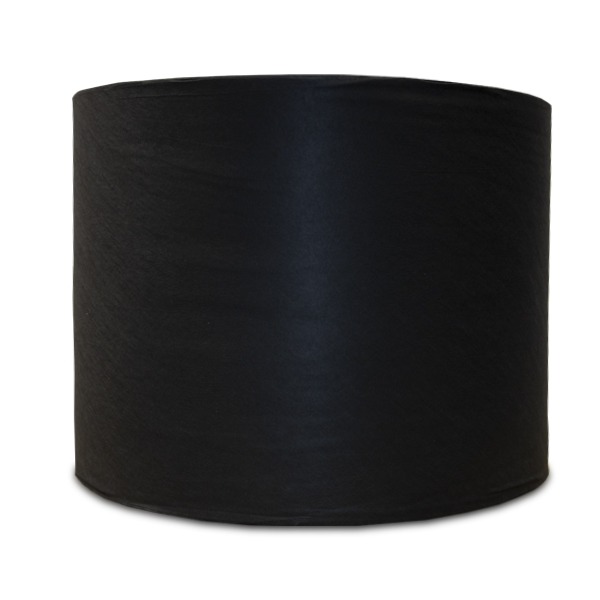
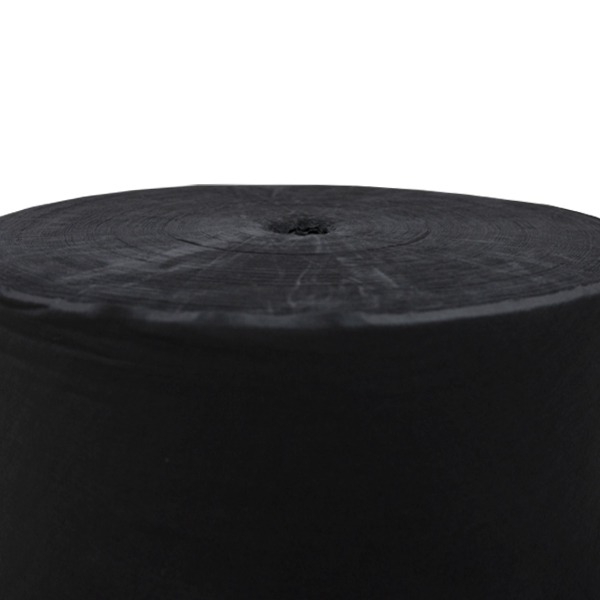
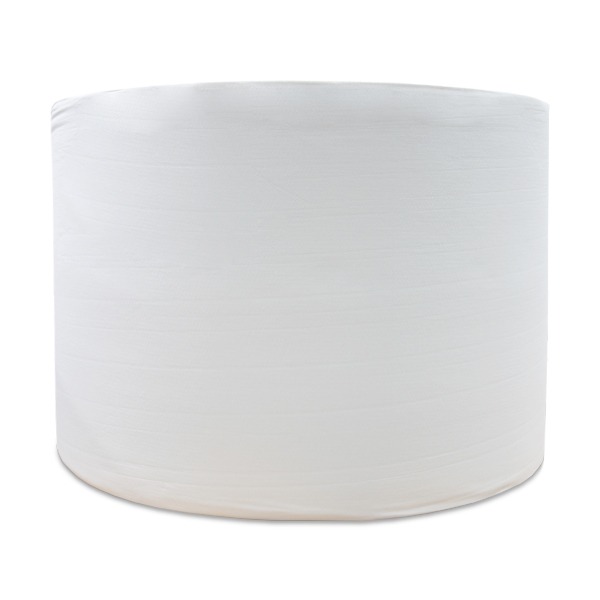
This material stands out compared to other materials because it is:
TNT can adapt to a wide range of applications, from medical and hygiene products to industrial and agricultural components. The ability to customize its characteristics makes it an extremely flexible material.
The production of TNT does not require complex processes like weaving or knitting, which reduces production time and cost, making it affordable and cost-effective, especially for disposable products.
Although it is very lightweight, TNT can be designed to be tear-resistant, tensile-resistant, and resistant to various chemicals, making it suitable for products that require durability without adding extra weight.
Many types of TNT, especially those using natural or recyclable fibers, are a more sustainable option compared to some traditional plastics, and more and more TNT products are designed to be biodegradable.
Non-woven fabric can be purchased from specialized manufacturers like Planet Nonwovens, which offer both high-quality fabrics and second-grade materials for projects with tighter budgets.
At Planet Nonwovens, we also provide non-woven slitting and rewinding services, ensuring that non-woven rolls are delivered to our customers with the exact specifications they need for their production processes.
Non-woven fabric originated in the 1940s, during World War II, when new materials were developed to replace traditional textiles that were in short supply. In the 1950s and 1960s, industrial processes were perfected to produce non-woven fabric on a large scale, especially in sectors like healthcare, where a low-cost, disposable, and efficient material was needed.
Today, non-woven fabric primarily comes from polymers such as polypropylene or polyester, although natural fibers like cotton or viscose can also be used.
To ensure that non-woven fabric meets the necessary quality and safety standards in each industry, there are various regulations and certifications at the international level. These regulations are especially important for critical applications such as healthcare, hygiene, and automotive.
ISO (International Organization for Standardization): ISO sets international standards for the manufacturing and quality of non-woven products. For example, ISO 10993 is a relevant standard in the production of non-woven fabric used in medical products, ensuring the material is biocompatible and safe for contact with the body.
EN (European Norms): In Europe, EN standards regulate the use of non-woven fabric in specific products. For example, EN 14683 specifies the requirements for surgical masks made from non-woven fabric, ensuring an adequate level of bacterial filtration and fluid resistance.
ASTM (American Society for Testing and Materials): In the United States, ASTM develops and publishes standards that assess the characteristics of non-woven products, such as strength, permeability, and filtration capacity. ASTM F2100 is a key standard for medical masks made from non-woven fabric.
Oeko-Tex Standard 100: This international certification verifies that the non-woven fabric used in textile products does not contain harmful substances for human health. It is especially relevant for hygiene products and textiles in direct contact with the skin.
Non-woven fabric (TNT), despite its durability and versatility, requires certain storage and care conditions to ensure it maintains its properties while in inventory or prior to use in production processes:
Controlled temperature: It is recommended to store the material in an environment with a temperature between 10°C and 25°C.
Moderate humidity: The ideal relative humidity level in the environment should be between 45% and 65%.
Protection from sunlight: TNT should be stored in shaded or covered areas, preferably in dark locations or with minimal exposure to light.
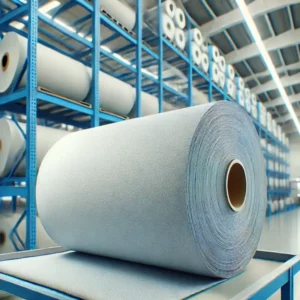
Proper storage position: It is important to keep TNT rolls in a horizontal position or on specially designed racks to avoid deformation.
Clean and dust-free environment: TNT should be stored in a clean and dust-free environment to prevent the accumulation of particles that may contaminate the material.
Avoid contact with chemicals: TNT should be stored away from corrosive or potentially hazardous chemicals that could spill or contaminate the material.
The price of non-woven fabric varies depending on the factory, quality, quantity, and intended uses. To get an accurate quote, we recommend contacting us so we can provide a personalized price.